Residenze artistiche · IT
Ritratti, suoni e telai: a San Leonardo si comincia a cucinare.
Istruzioni per l’uso
Prendete un quartiere, una fabbrica di vetro chiusa da anni e una manciata di artisti. Lasciate riposare per alcuni mesi, mescolando spesso. Un’avvertenza: questa ricetta non si fa da soli.
Gli abitanti non sono gli ospiti a tavola: stanno in cucina.
La base
La conoscono tutti: è il barattolo Bormioli, quello che c’è in ogni dispensa d’Italia. A San Leonardo però la Bormioli è anche la fabbrica dietro casa, ferma e con il coperchio ben chiuso. Si parte da qui: cosa c’è dentro, e cosa ci si potrebbe mettere?
Ingrediente n. 1 Un ritrattista di casa
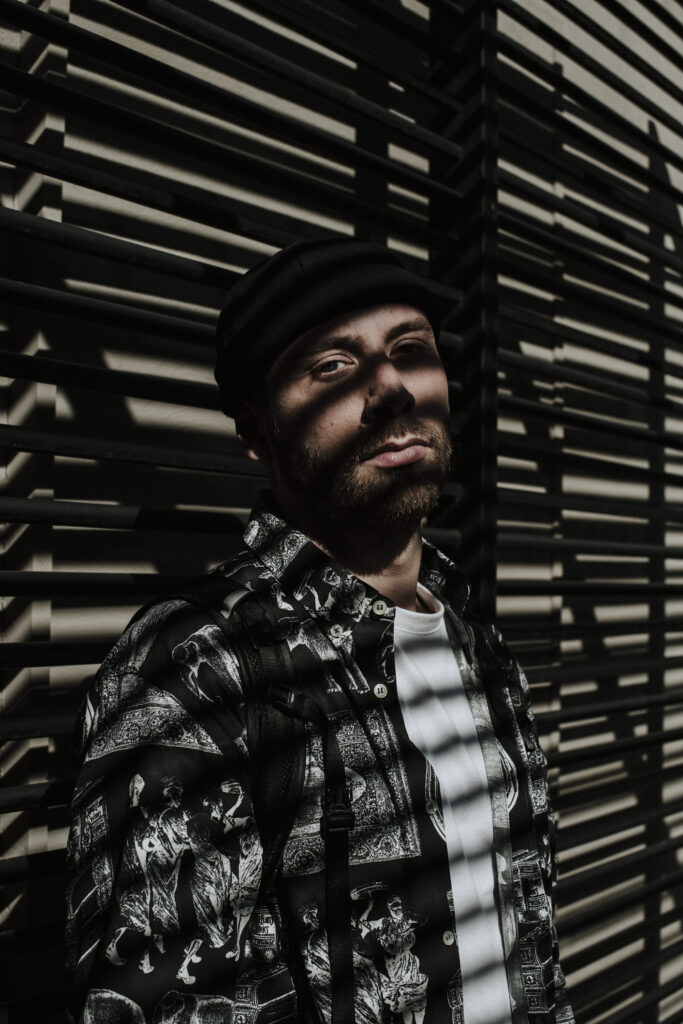
Massimo Blu Pellerani Magni conosce Parma come le sue tasche, e Parma conosce lui. È un artista visivo: usa la geometria come linguaggio e l’immagine come posto dove incontrarsi. I Volti di San Leonardo è fotografia e ritratto partecipativo, da cuocere a fuoco lento. Niente scatti rubati: ritratti fatti insieme a chi il quartiere lo abita, da chi ricorda i turni in fabbrica a chi è arrivato l’altro ieri.
Ingrediente n. 2 Un orecchio fino
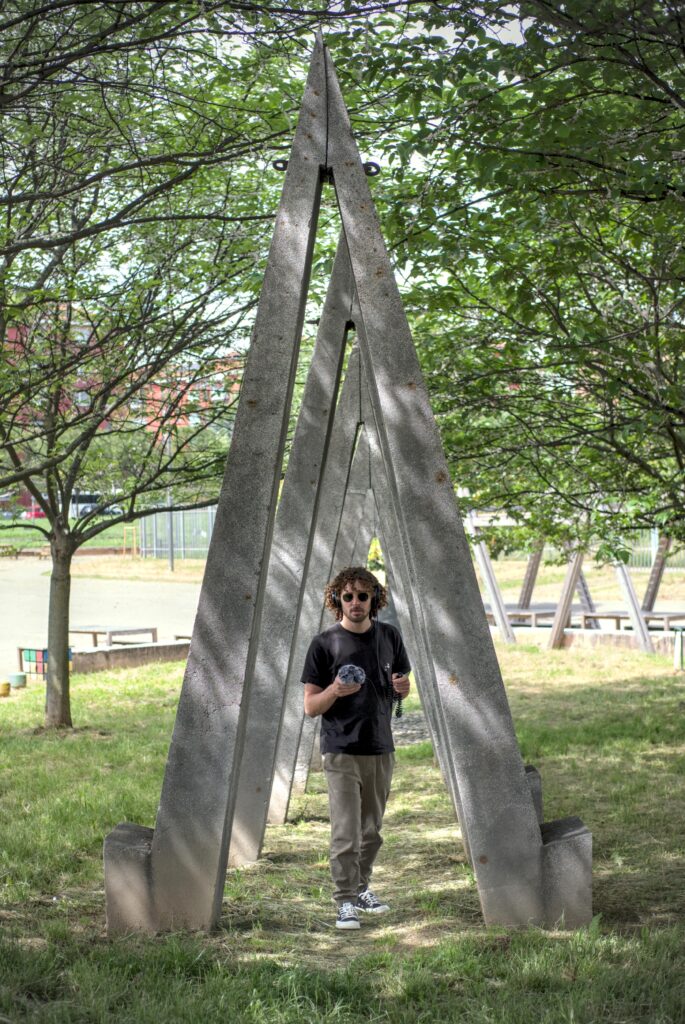
Aldo Scarpitta è sound artist, e per lui ascoltare è un modo di conoscere e di prendersi cura. Ha già collaudato metodi come Passæggi Sonori e WILD:CARE. A San Leonardo porta Dense Between e una domanda: quando una fabbrica tace, cosa resta da ascoltare? Spoiler: parecchio. Voci, rumori di fondo, memorie che non hanno mai avuto un microfono davanti.
Il lievito
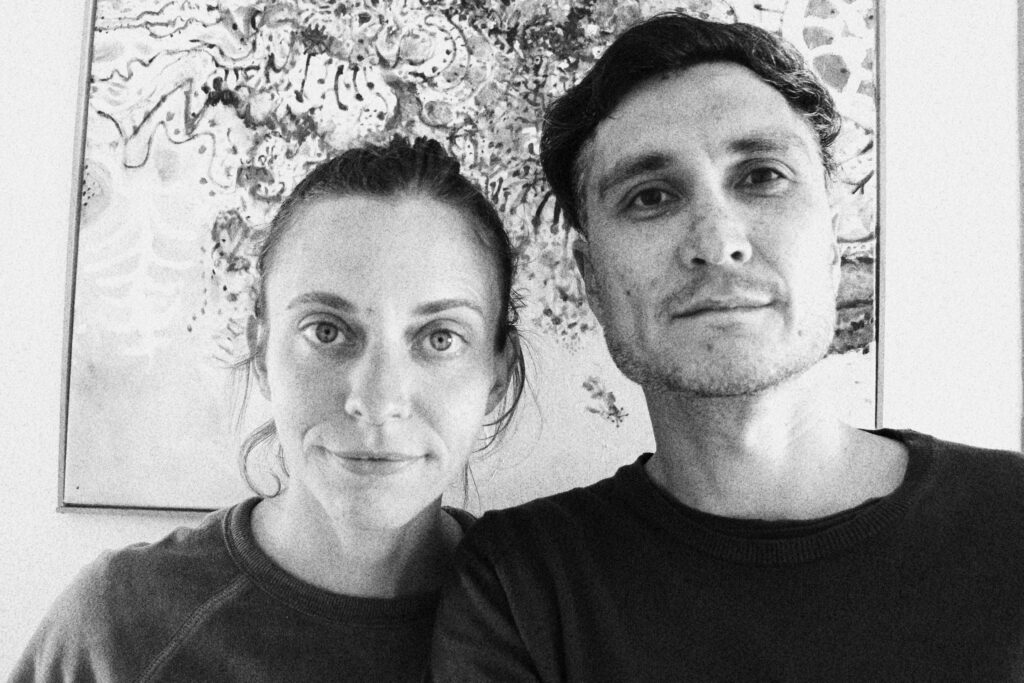
Marta Romani e Karl Logge arrivano da Sant’Antioco, in Sardegna, dove da oltre undici anni imparano a tessere dalla maestra Chiara Vigo. Filano, tessono, fanno fermentare colori naturali, e sui barattoli hanno le idee chiare. Nel quartiere porteranno laboratori e pratiche partecipative, e chiederanno a tutti: cosa mettereste sullo scaffale per i tempi di magra?
Tempo di cottura
Fino alla primavera. Il risultato non lo sa ancora nessuno, ed è il bello: è la parte che non si scrive a tavolino. Alla fine ci sarà un momento pubblico per assaggiarlo tutti insieme. Nel frattempo, se passate da San Leonardo, portatevi un barattolo.
In breve
Cosa · partono le residenze artistiche di MON-ART – The Monasteries of Art, progetto co-finanziato dal programma Europa Creativa dell’Unione europea
Dove · quartiere San Leonardo, Parma
Quando · dall’autunno 2026 alla primavera 2027, con un evento pubblico finale
Chi · in residenza Massimo Blu Pellerani Magni (arti visive) e Aldo Scarpitta (sound art); con loro il duo Marta Romani & Karl Logge (tessitura e pratiche partecipative)
Promosso da · Mimesis Edizioni, capofila del progetto, in collaborazione con Università di Parma – CSAC
Info · mon-art.org
Leggi anche: Gli artisti delle residenze di MON-ART a Parma · Bormioli & il quartiere
Artist residencies · EN
A Recipe for San Leonardo. Portraits, sound and looms: San Leonardo fires up the stove.
Method
Take one neighbourhood, a glass factory that has stood idle for years and a handful of artists. Leave to rest for a few months, stirring often. A word of warning: this isn’t a recipe you make on your own.
The locals aren’t the dinner guests: they’re in the kitchen.
Start with the base
Every Italian pantry has one: a Bormioli jar. In San Leonardo, though, Bormioli is also the factory down the road, silent, its lid screwed firmly shut. So that’s where we begin: what’s inside, and what could go in?
Ingredient no. 1 A local portraitist
Massimo Blu Pellerani Magni knows Parma like the back of his hand, and Parma knows him. A visual artist, he treats geometry as a language and the image as a place to meet. The Faces of San Leonardo is participatory photography and portraiture, best cooked low and slow. No snatched shots here: these are portraits made together with the people who live in the neighbourhood, from those who remember clocking on at the factory to those who moved in last week.
Ingredient no. 2 A good ear
For sound artist Aldo Scarpitta, listening is a way of knowing, and of caring. He has already road-tested methods such as Passæggi Sonori and WILD:CARE, and to San Leonardo he brings Dense Between and a single question: when a factory falls silent, what is left to hear? Spoiler: plenty. Voices, background hum, memories that have never had a microphone pointed at them.
The starter
Marta Romani and Karl Logge come from Sant’Antioco, off Sardinia’s southwest coast, where they have spent more than eleven years learning to weave under master weaver Chiara Vigo. They spin, they weave, they ferment natural dyes, so when it comes to jars they know a thing or two. In the neighbourhood they’ll be running workshops and participatory sessions, and asking everyone the same thing: what would you put on the shelf for leaner times?
Cooking time
Until spring. Nobody knows yet how it will turn out, and that’s the beauty of it: this is the part you can’t plan on paper. At the end there’ll be a public event where everyone gets a taste. In the meantime, if you’re passing through San Leonardo, bring a jar.
At a glance
What · the MON-ART – The Monasteries of Art artist residencies get under way, co-funded by the Creative Europe programme of the European Union
Where · San Leonardo neighbourhood, Parma
When · autumn 2026 to spring 2027, closing with a public event
Who · resident artists Massimo Blu Pellerani Magni (visual art) and Aldo Scarpitta (sound art), joined by the duo Marta Romani & Karl Logge (weaving and participatory practice)
Led by · Mimesis Edizioni, project coordinator, in collaboration with the University of Parma – CSAC
Info · mon-art.org
Co-finanziato dall’Unione europea. I punti di vista e le opinioni espresse sono tuttavia esclusivamente quelli degli autori e non riflettono necessariamente quelli dell’Unione europea o dell’Agenzia esecutiva europea per l’istruzione e la cultura (EACEA). Né l’Unione europea né l’EACEA possono esserne ritenute responsabili.
Co-funded by the European Union. Views and opinions expressed are however those of the author(s) only and do not necessarily reflect those of the European Union or the European Education and Culture Executive Agency (EACEA). Neither the European Union nor EACEA can be held responsible for them.