Intervista · IT
L’arte contemporanea può ancora trasformare un territorio? Può diventare uno strumento di partecipazione, di memoria e persino di rigenerazione sociale? Ne abbiamo parlato con Enzo Fiammetta.
a cura di Lucia Cucciarelli
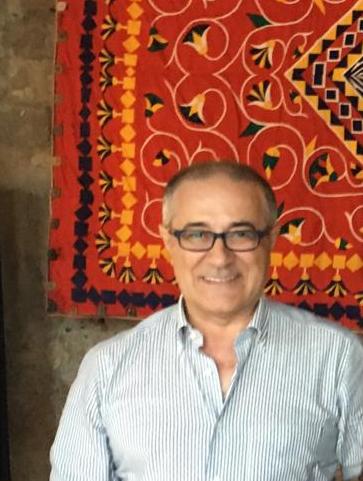
Chi è
Enzo Fiammetta dirige il Museo delle Trame del Mediterraneo della Fondazione Orestiadi, partner di MON-ART. Negli anni ha accompagnato il rapporto fra artisti, comunità, patrimonio materiale e immateriale. Il Museo nasce come luogo di incontro fra culture mediterranee, arti visive, tessuti, abiti, manufatti e linguaggi contemporanei.
Da Gibellina, dove dopo il terremoto del Belìce l’arte è diventata parte integrante della rinascita della città, fino alle nuove esperienze nei territori della provincia di Trapani, il lavoro di Enzo Fiammetta si colloca proprio all’interno di questa riflessione.
D Lei ha parlato più volte dell’arte come possibilità di trasformazione dei luoghi. Che cosa significa oggi parlare di “arte rigenerativa”?
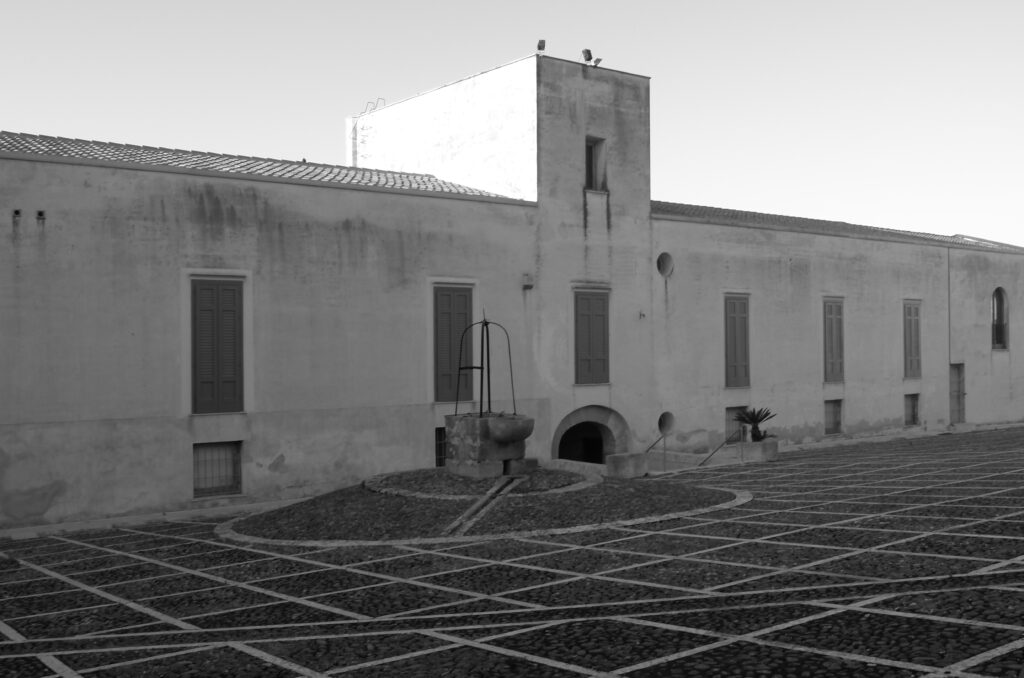
L’arte non dovrebbe limitarsi a occupare uno spazio, ma contribuire a modificarne la percezione e il significato. La vera rigenerazione avviene quando l’opera entra in relazione con il luogo, con la sua storia e con le persone che lo abitano. A Gibellina abbiamo vissuto un’esperienza straordinaria: dopo il terremoto del 1968, la ricostruzione non è stata soltanto urbanistica, ma anche culturale.
Gli artisti sono stati chiamati a confrontarsi con una comunità ferita e con un territorio da ricostruire. Da questa esperienza è nata una città nella quale l’arte è diventata parte del paesaggio e della vita quotidiana. La Fondazione Orestiadi conserva proprio la memoria di questo processo: le opere degli artisti che hanno lavorato a Gibellina, spesso donate dopo le loro residenze, testimoniano un rapporto diretto tra creazione artistica e territorio.
D Gibellina è diventata un caso internazionale. Qual è, secondo lei, la lezione più importante che questa esperienza può offrire oggi?
La lezione è che la cultura può diventare una forma concreta di ricostruzione. Ludovico Corrao aveva intuito che non bastava ricostruire gli edifici: occorreva ricostruire un’identità e dare alla comunità una nuova possibilità di immaginare il proprio futuro.
Il Cretto di Alberto Burri è forse l’esempio più evidente: una ferita è diventata un’opera d’arte, e le rovine di una città distrutta sono diventate un luogo di memoria universale. È la dimostrazione di come un territorio possa trasformare la propria tragedia in patrimonio culturale.
D Da Gibellina al MAC di Custonaci: può un museo diventare un elemento di trasformazione del territorio anche quando nasce in un contesto completamente diverso?
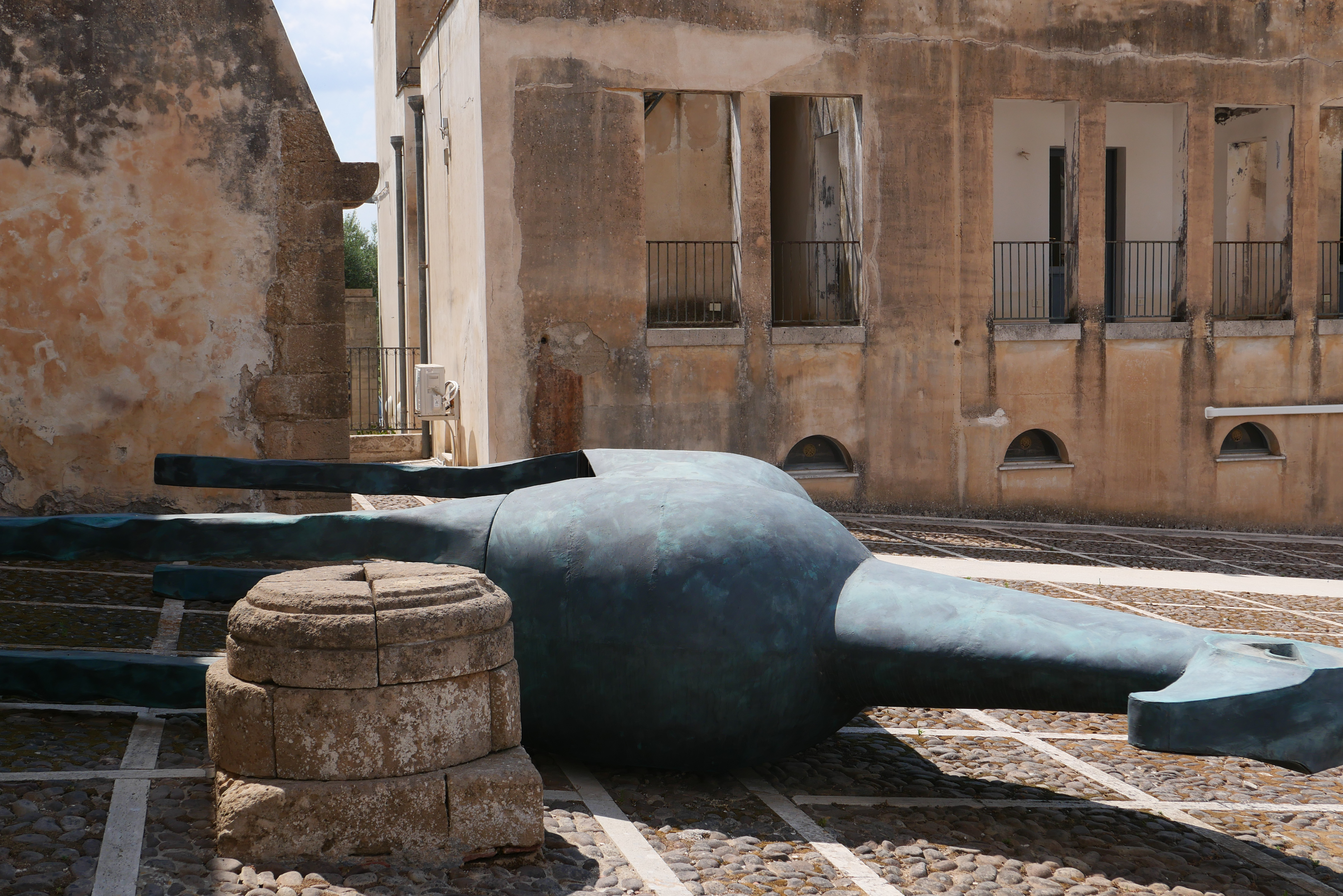
Certamente. Un museo non deve essere necessariamente un luogo chiuso. Il MAC di Custonaci rappresenta una possibilità interessante proprio perché mette in relazione arte contemporanea, paesaggio e identità locale. Il rapporto con il marmo, con il paesaggio e con la storia del territorio può diventare materia stessa della ricerca artistica.
Il nuovo MAC è nato con un primo nucleo di opere permanenti e si è sviluppato attraverso nuove installazioni e collaborazioni, coinvolgendo anche scuole e associazioni culturali. È importante che l’arte non venga percepita come qualcosa che arriva dall’esterno, ma come qualcosa che nasce anche dall’ascolto del territorio.
D Quanto conta il coinvolgimento delle comunità nei processi artistici?
Moltissimo. Quando l’artista lavora con una comunità, l’opera non è più soltanto un oggetto da guardare: diventa il risultato di un’esperienza condivisa. È quello che stiamo sperimentando anche a Gibellina attraverso i laboratori e le residenze artistiche.
Un esempio molto significativo è il progetto realizzato con Jonida Xherri, nel quale giovani, associazioni, comunità locale e migranti hanno partecipato alla realizzazione di un grande arazzo destinato al sipario dell’Auditorium del MAC. Qui il tessuto diventa metafora dell’incontro.
«Tante tessere, tanti segni individuali, una sola opera collettiva.»
Enzo Fiammetta
D Questo rapporto fra arte, tessuti, memoria e comunità è particolarmente presente nel Museo delle Trame Mediterranee. È anche questa una forma di rigenerazione?
Assolutamente sì. Il Museo delle Trame Mediterranee nasce proprio dalla volontà di mettere in dialogo culture diverse attraverso gli oggetti, i materiali e le forme. Tessuti, abiti, gioielli, ceramiche, manufatti e opere d’arte contemporanea raccontano una storia fatta di contaminazioni e di scambi.
Il tessuto, in particolare, è un linguaggio straordinariamente potente perché contiene insieme memoria, manualità, identità e relazione. E questo vale anche per l’arte contemporanea: gli artisti possono lavorare con gli artigiani, con gli studenti, con le comunità, e trasformare il fare manuale in un processo creativo.
D Nel suo lavoro la dimensione educativa ha un ruolo importante. Può il museo diventare anche uno spazio di dialogo intergenerazionale attraverso l’esperienza?
È una delle direzioni che considero più importanti. Il museo deve essere un luogo nel quale si guarda, ma anche si sperimenta. Con i bambini, per esempio, forme, colori, materiali, tessuti e oggetti possono diventare strumenti per sviluppare curiosità e capacità creative.
La Fondazione Orestiadi ha già sviluppato attività educative nelle quali i bambini scoprono le opere attraverso forme, materiali, abiti, decorazioni e manufatti delle culture mediterranee. L’educazione all’arte non deve necessariamente partire dalla teoria. Può partire dal tatto, dalla materia, dal gioco e dalla scoperta.
D In questo scenario si inserisce anche MON-ART – Monasteries of Art. Qual è l’idea centrale del progetto?
L’idea è recuperare il significato dei luoghi come spazi di incontro, produzione, riflessione e trasmissione della cultura. Il monastero può essere letto non soltanto come edificio storico, ma come modello di luogo nel quale il tempo rallenta, si studia, si produce, si condividono conoscenze. MON-ART vuole mettere in relazione luoghi diversi e trasformarli in nodi di una rete europea nella quale gli artisti possano incontrare i territori e le comunità.
In questo senso il progetto si collega profondamente all’esperienza della Fondazione Orestiadi: anche qui l’arte non è concepita come qualcosa di isolato, ma come uno strumento di dialogo fra culture. Le residenze della Fondazione mostrano già concretamente questa direzione, mettendo in relazione artisti, territori e comunità attraverso la produzione condivisa.
D Se dovesse indicare una parola per il futuro dell’arte nei territori, quale sceglierebbe?
Sceglierei relazione. Relazione fra artista e territorio, fra memoria e contemporaneità, fra museo e comunità, fra culture diverse. L’esperienza di Gibellina dimostra che l’arte può diventare un modo per ricostruire una comunità e dare un nuovo significato a un luogo.
Oggi dobbiamo andare oltre l’idea dell’opera come semplice monumento e pensare all’arte come processo: un processo nel quale le persone possano partecipare, riconoscersi e lasciare a loro volta un segno. È questa, forse, la vera rigenerazione: non soltanto cambiare un luogo, ma cambiare il modo in cui una comunità lo guarda e lo vive.
Leggi anche: Gibellina Capitale Europea · Primo incontro a Gibellina
Interview · EN
Art that regenerates places. Can contemporary art still transform a territory? Can it become a tool for participation, collective memory and even social regeneration? We talked to Enzo Fiammetta.
Interview by Lucia Cucciarelli
Profile
Enzo Fiammetta is Director of the Museum of Mediterranean Weavings of the Orestiadi Foundation, a MON-ART partner. Over the years he has fostered relationships between artists, communities, and tangible and intangible heritage. The Museum was conceived as a meeting place for Mediterranean cultures, visual arts, textiles, clothing, artefacts and contemporary forms of expression.
From Gibellina, where art became an integral part of the city’s rebirth after the Belice earthquake, to new initiatives across the province of Trapani, Enzo Fiammetta’s work lies at the heart of this reflection.
Q You have often spoken about art as a means of transforming places. What does it mean today to speak of “regenerative art”?
Art should not simply occupy a space; it should help change the way that space is perceived and understood. True regeneration takes place when an artwork enters into a relationship with a place, its history and the people who inhabit it. In Gibellina we experienced something extraordinary: after the 1968 earthquake, reconstruction was not merely an urban planning exercise but also a cultural undertaking.
Artists were invited to engage with a wounded community and a territory that needed rebuilding. This gave rise to a city in which art became part of the landscape and of everyday life. The Orestiadi Foundation preserves the memory of this process: the works of the artists who contributed to Gibellina, often donated after their residencies, bear witness to a direct relationship between artistic creation and the territory.
Q Gibellina has become an internationally recognised example. What is the most important lesson it can offer today?
That culture can become a tangible means of reconstruction. Ludovico Corrao understood that rebuilding buildings was not enough: it was necessary to rebuild an identity and give the community a renewed opportunity to imagine its future.
Alberto Burri’s Cretto is perhaps the clearest example: a wound became a work of art, and the ruins of a destroyed city became a place of universal memory. It shows how a territory can transform its own tragedy into cultural heritage.
Q From Gibellina to the MAC in Custonaci: can a museum become a catalyst for territorial transformation even in a completely different context?
Certainly. A museum does not have to be a closed space. The MAC in Custonaci offers an interesting opportunity precisely because it brings contemporary art, landscape and local identity into dialogue. The relationship with marble, the landscape and the area’s history can become the very material of artistic research.
The new MAC began with an initial collection of permanent works and has grown through new installations and collaborations, involving schools and cultural associations as well. It is essential that art is not perceived as something arriving from outside, but as something that also emerges from listening to the territory.
Q How important is community involvement in artistic processes?
Extremely important. When an artist works with a community, the artwork is no longer simply an object to be viewed: it becomes the outcome of a shared experience. This is what we are also exploring in Gibellina through workshops and artist residencies.
A particularly significant example is the project with Jonida Xherri, in which young people, associations, the local community and migrants created a large tapestry for the curtain of the MAC Auditorium. Here textile becomes a metaphor for encounter.
“Many pieces, many individual marks, one collective work.”
Enzo Fiammetta
Q The relationship between art, textiles, memory and community is particularly evident at the Museum of Mediterranean Weavings. Is this another form of regeneration?
Absolutely. The Museum of Mediterranean Weavings was established precisely to bring different cultures into dialogue through objects, materials and forms. Textiles, clothing, jewellery, ceramics, artefacts and contemporary artworks tell a story of influences and exchanges.
Textiles in particular are an extraordinarily powerful language, because they hold memory, craftsmanship, identity and relationship all at once. The same applies to contemporary art: artists can work with craftspeople, students and communities, turning manual skill into a creative process.
Q Education plays an important role in your work. Can a museum become a space for intergenerational dialogue through hands-on experience?
It is one of the directions I consider most important. A museum should be a place where people not only look but also experiment. With children, for example, shapes, colours, materials, textiles and objects can become tools for stimulating curiosity and creativity.
The Orestiadi Foundation has already developed educational activities in which children discover artworks through shapes, materials, clothing, decorations and artefacts from Mediterranean cultures. Art education does not have to begin with theory. It can begin with touch, materials, play and discovery.
Q MON-ART – Monasteries of Art is also part of this vision. What is the central idea behind the project?
The idea is to rediscover the significance of places as spaces for encounter, production, reflection and the transmission of culture. A monastery can be understood not merely as a historic building, but as a model of a place where time slows down, people study and create, and knowledge is shared. MON-ART aims to connect different places and turn them into nodes of a European network where artists can engage with territories and communities.
In this sense the project is closely connected to the experience of the Orestiadi Foundation: here too, art is not conceived as something isolated, but as a means of dialogue between cultures. The Foundation’s residencies already show this approach in practice, bringing artists, territories and communities together through shared production.
Q If you had to choose one word for the future of art in local territories, what would it be?
I would choose relationship. Relationships between artists and territories, memory and contemporary life, museums and communities, and between different cultures. The experience of Gibellina shows that art can become a way to rebuild a community and give a place renewed meaning.
Today we need to move beyond the idea of the artwork as a mere monument and think of art as a process: one in which people can participate, recognise themselves and, in turn, leave their own mark. Perhaps this is what true regeneration means: not merely changing a place, but changing the way a community sees and experiences it.
Co-finanziato dall’Unione europea. I punti di vista e le opinioni espresse sono tuttavia esclusivamente quelli degli autori e non riflettono necessariamente quelli dell’Unione europea o dell’Agenzia esecutiva europea per l’istruzione e la cultura (EACEA). Né l’Unione europea né l’EACEA possono esserne ritenute responsabili.
Co-funded by the European Union. Views and opinions expressed are however those of the author(s) only and do not necessarily reflect those of the European Union or the European Education and Culture Executive Agency (EACEA). Neither the European Union nor EACEA can be held responsible for them.