IT
Discorso inaugurale al kick-off del progetto – Gibellina, (Sicilia), 16 maggio 2025
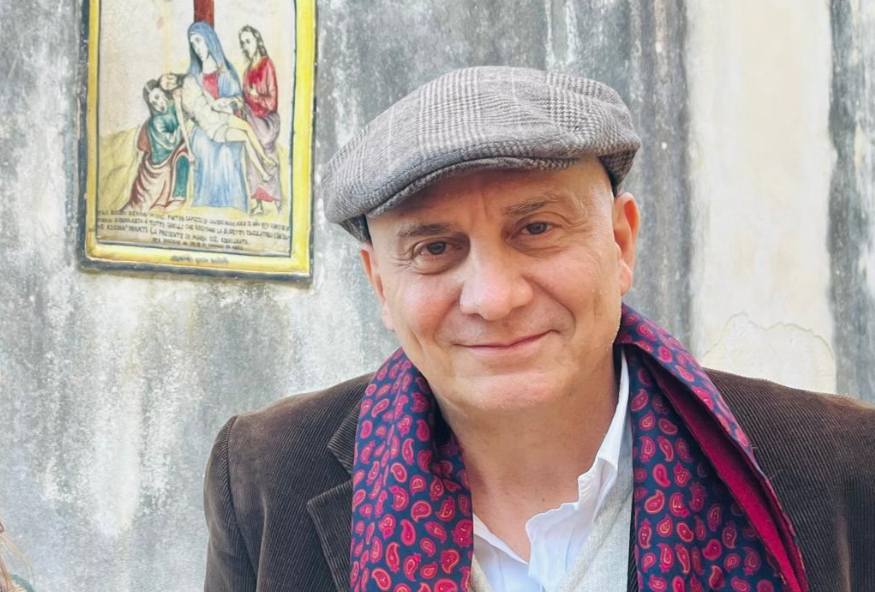
di Eugenio De Caro
Cari amici,
cari nuovi amici – come, sono sicuro, presto diventeremo, sono un po’ emozionato di avviare il progetto MON-ART. Questo perché penso che MON_ART non sia semplicemente un progetto, ma un tentativo di cambiare qualcosa nell’attuale tendenza delle società occidentali, caratterizzate dall’autoritarismo, dall’abuso di potere e dalla mistificazione della realtà attraverso un potere mediatico totalitario che incatena e manipola ogni forma di comunicazione.
Sembra che dal 2020 – cioè dal coronavirus, dal lockdown e poi dall’abominio della vaccinazione obbligatoria – sia iniziata una nuova era; un’era in cui le persone sono completamente sottomesse alla narrazione mainstream, persone che hanno perso la capacità di vedere e comprendere criticamente la realtà, che guardano e ascoltano solo un’immagine del mondo unilaterale, quasi sempre mistificando i fatti reali.
Inoltre, l’Unione Europea oggi sembra non essere ciò che ha cercato di diventare nel corso di settant’anni, e – forse – ciò che era effettivamente fino a qualche anno fa. Ho sempre insegnato ai miei studenti che il pilastro principale dell’UE è la pace. Così, ho sempre spiegato che quando il 9 maggio 1950 un vincitore della guerra – la Francia – ha offerto di condividere con il vinto – la Germania – la principale risorsa economica (cioè carbone e acciaio) per il possesso della quale avevano combattuto anche tre guerre, si è verificato un fatto unico nella storia del mondo. Ed è per questo motivo che ho creduto in questo nuovo esperimento politico – prima la Comunità Economica Europea, poi la cosiddetta Unione Europea – principalmente perché ha utilizzato la leva della cultura per promuovere un riconoscimento reciproco di culture e identità, per rafforzare l’unità nella diversità e per creare – come pensavo – una fonte politica di base per una nuova federazione democratica di comunità dal basso.
Ma: l’attuale raggruppamento di stati guerrafondai e prepotenti è basato sulla pace? Quali sono i loro interessi in gioco? Quale riferimento c’è alla cultura come strumento reale di dialogo e comprensione reciproca – ricordo l’alta eclatanza della politica di Diplomazia Culturale lanciata nel 2016… dove si trova ora?
Quindi, è possibile rimediare a tale situazione attraverso l’Arte? È possibile illuminare le coscienze con l’Arte? Quale tipo di Arte? Questa è la domanda.
L’intuizione dei monasteri dell’arte è emersa nel 2021, quando la nuova era oscurantista stava appena iniziando. Solo alcune menti profetiche erano consapevoli. Io ero in mezzo. Durante una profonda conversazione riguardo a un altro progetto con Francesco Arecco (presente) e Mirco Marchelli (presidente di un partner associato), è emersa l’idea; è stata poi formalizzata nella proposta di Creative Europe grazie alla fondamentale partecipazione di Raffaella Lioce (presente), Marzia Morteo (presente), Lucia Cucciarelli (presente), e successivamente con la discussione con Enzo Fiammetta (presente) e Simonetta Venturini (presente).
Più avanti presenteremo tutte le azioni pianificate, i pacchetti di lavoro, i risultati e così via. Ora voglio sottolineare solo la questione fondamentale: qual è il ruolo dell’Arte nel nostro progetto? Mon-Art ha bisogno di un’arte capace di insufflare pensiero, pensiero critico, e capace di produrre libertà. Queste sono le caratteristiche da trasmettere alle comunità coinvolte a livello locale.
L’arte trasmette emozione, piacere e pensiero; manipola la materia fino a quando la materia diventa orientata al significato. L’arte isola, taglia, ferma, rallenta, accelera, muove, inverte, sovverte. Essa pone la differenza e introduce un taglio, una cesura nel continuum dell’esperienza capace di generare una nuova rappresentazione del mondo. Questo è il processo nominato dagli antichi Greci “mimesis”, che è lo spiegamento del suo potere poetico. L’arte costruisce un mondo; facendo ciò costruisce anche il significato del mondo. Un significato basato sulla creatività poetica invece che sul cliché mainstream dell’immagine del mondo.
Quindi, tale costruzione di significati diventa un’espressione reale di libertà. Gli artisti (questo è il tipo ideale di ciò che abbiamo chiamato “artista rigenerativo”) portano libertà nel mondo, installano libertà nella realtà materiale e producono ciò che possiamo chiamare una necessaria forma di “reincanto” del mondo.
Molti di voi probabilmente conoscono il concetto di disincanto del mondo di Max Weber. Questa era la ratio della modernità: estrema fiducia nella scienza e nella tecnologia e progresso continuo. Ma la falsa e mistificante legittimità che un modello distorto di scienza totalmente soggetto alla politica ha recentemente ottenuto introduce la necessità di un cambiamento repentino di direzione.
Quindi, l’arte può mirare a innescare un reincanto del mondo e sovvertire l’esito sia della modernità che della post-modernità, poiché quest’ultima è anch’essa caduta vittima della crescente globalizzazione del capitalismo. L’artista rigenerativo è in grado di aggregare le comunità attorno a significati esistenziali profondi, nati dal rilascio di atteggiamenti creativi e da una conseguente capacità di identificare e valorizzare le proprie risorse culturali materiali e immateriali.
Mon-art è infatti una metafora, una metafora del significato esistenziale che l’arte è in grado di rilasciare e del processo di liberazione dai significati già affermati e mainstream del mondo, dai manipolatori occulti della comunicazione e dal pensiero appiattito in cerca solo di apparente benessere.
Quindi, Mon-art non è solo un gioco o uno spazio, ma in realtà un progetto e una promessa di liberazione. Comunque, la location può certamente avere il suo peso. È una questione di bellezza e ci sono molte forme diverse di bellezza. Infatti, la location può attivare un’atmosfera, e tale atmosfera può migliorare la sensazione dello spettatore. Una cattedrale cistercense è stata costruita secondo la sezione aurea e tutte le sue parti si riferiscono al numero aureo.
Ma, anche noi possiamo costruire i nostri monasteri, che sono luoghi di reincanto, cioè luoghi in cui le persone diventano consapevoli di ciò che è veramente in gioco in termini di felicità e benessere dell’uomo e dove le persone, liberate dall’immagine falsa del mondo, sentono effettivamente un nuovo sentimento della vita.
Cari amici, questa è la vera sfida del nostro progetto. Spetterà poi a noi progettare, creare, condividere, valorizzare e far sopravvivere questa nuova dimensione secolare del monastero anche dopo la fine del nostro progetto finanziato.
EN
The Meaning of MON-ART
Inaugural Address at the Project Kick-off — Gibellina, (Sicily), 16 May 2025
By Eugenio De Caro
Dear Friends,
dear new friends – as, I am sure, we will soon become – I am a little bit excited to kick off the MON-ART project. This, because I think that MON_ART is not simply a project, it is an attempt to change something in the actual trend of western societies, so characterized by authoritarianism, abuse of power and mystification of reality through a totalitarian media power that cages and manipulates every form of communication.
It seems that since 2020 – i.e. since coronavirus, lockdown and then the abomination of compulsory vaccination – a new era has started; an era in which people are completely submissive to the mainstreamed narration, people who has lost the capacity to see and critically understand the reality, who only watch and listen to a unilateral world-image, quite always mystifying the actual matter of facts.
Also, European Union today seems not to be what it has tried to become along seventy years, and – maybe – what it actually was till some years ago. I have always taught to my students that the main pillar of EU is peace. So, I have always explained that when on 9 May 1950 a war winner – France – offered to share with the defeated – Germany – the main economical source (i.e. coal and steel) for the possession of which they had fought even three wars, it had happened a unique fact in the world history. And this is the reason why I believed in such new political experiment – the European Economic Community first, then so-called European Union – mainly because it used the leverage of culture to promote a mutual recognition of cultures and identities, to enforce the unity in the diversity and to create – as I thought – a grassroots political source for a new democratic federation of communities from underneath.
But: is the actual grouping of warmongering and bullying states based on peace?
Which are their interests at stake?
What reference is there to culture as actual instrument of dialog and mutual understanding – I remember the high-sounding Cultural Diplomacy policy launched in 2016… where is it now?
So, is it possible to remediate to such situation through Art? Is it possible to enlighten consciences with Art? Which kind of Art?
This is the question.
The intuition of the monasteries of art arose in 2021, when the new obscurantist era was just beginning. Only some prophetical minds were aware. I was in the mix. During a deep conversation regarding another project with Francesco Arecco (present) and Mirco Marchelli (president of an associated partner) the idea came up; it was later put in the form of the Creative Europe proposal thanks to the fundamental participation of Raffaella Lioce (present), Marzia Morteo (present), Lucia Cucciarelli (present), and later with the discussion with Enzo Fiammetta (present) and Simonetta Venturini (present).
Later we will present all the Action planned, the work packages, the deliverables and so on. Now I want to point out only the basic question: which is the role of Art in our project?
Mon-Art need an art able to insufflate thought, critical thinking, and able to produce freedom. These are the characteristics to be transmitted to the communities involved at a local level.
Art transmits emotion, pleasure, and thought; it manipulates matter till matter becomes oriented to the meaning. Art isolates, cuts, stops, slows down, accelerates, moves, inverts, subverts. It poses the difference and introduces a cut, a caesura in the continuum of the experience able to generate a new representation of the world. This is the process named by the ancient Greeks “mimesis”, which is the unfolding of its poietic power. Art constructs a world; doing so it also constructs the meaning of the world. A meaning based on the poietic creativity instead of on the mainstreamed cliché of the so-called world-image.
So, such construction of meanings becomes an actual expression of freedom. The artists (this is the ideal-type of what we have named the “regeneration artist”) brings freedom into the world, installs freedom in the material reality and produces what we can name a needed form of “re-enchantment” of the world.
Many of you probably know Max Weber’s concept of dis-enchantment of the world. That was the ratio of the modernity: extreme belief in science and technology and continuous progress. But the false and mystifying legitimacy that a distorted model of science totally subjected to politics has recently obtained introduces the need for a sudden change of direction.
So, art can aim to trigger a re-enchantment of the world and subvert the outcome of both modernity and post-modernity, since the latter too has inevitably fallen victim to the sprawling resurgence of capitalism. The regeneration artist is able to aggregate the communities around deep existential meanings, born from the release of creative attitudes and a consequent ability to identify and valorize one’s own material and immaterial cultural resources.
Mon-art is indeed a metaphor, a metaphor of the existential meaning that art is able to release and of the liberation process from the already-stated and mainstreamed meanings of the world, from the occult manipulators of communication, and from the flattened-thought only in search of apparent well-being.
So, Mon-art is not only a play or space, but actually a project and a promise of liberation.
Anyway, the location can certainly have its weight too. It’s a matter of beauty and there are many different forms of beauty. In fact, the location can activate an atmosphere, and such atmosphere can improve the feeling of the spectator. A Cistercian cathedral was built according to the golden section and all its parts refer to the golden number.
But, we too can build our own monasteries, which are places of re-enchantment, i. e. places where people become aware of what is truly at stake in terms of man’s happiness and well-being and where people, freed by the false-image of the world, actually feel a new sentiment of life.
Dear friends, this is the actual challenge of our project.
It will then be up to us to design, create, share, enhance and make this new, secular dimension of the monastery survive also after the end of our funded project.